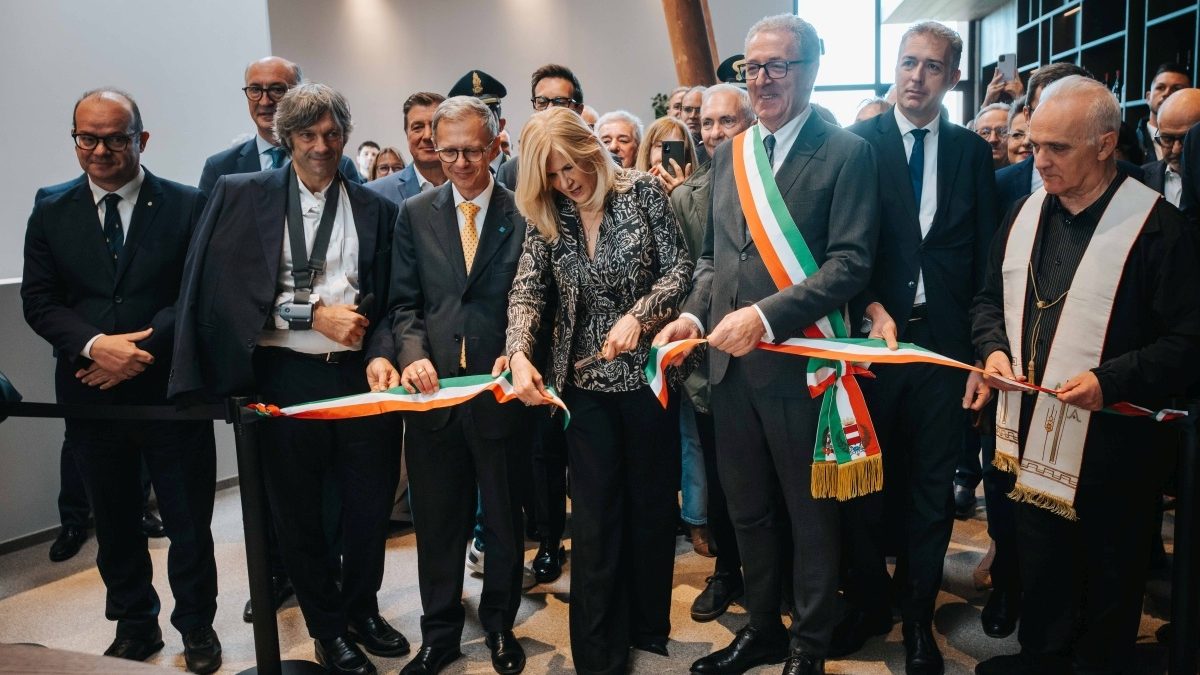
It’s called Cantina Viva. It was inaugurated recently and is the result of a major investment launched by Zorzettig to become the new home for wines from Colli Orientali del Friuli, where production, wine tourism and local culture coexist in a single project. Located in Spessa di Cividale, the new facility was strongly desired by Annalisa Zorzettig and represents an investment in the company’s future and a new opportunity to enhance hospitality.
WINE TOURISM PROJECT
The winery was born from the need to streamline production activities, improve efficiency and working environments, but above all from the desire to create a place open to visitors. The project integrates a new wing to the existing building, preserving the historic barrel cellar and eighteenth-century cantina. The architecture follows the profile of the hill, using iron, glass, wood and local sandstone to dialogue with the landscape.
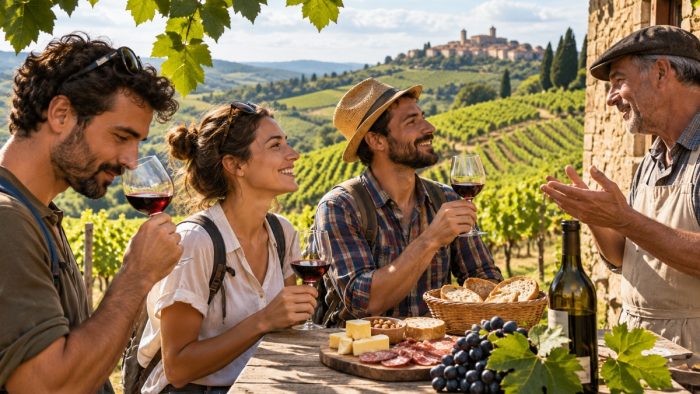
Wine tourism is one of the central elements of Cantina Viva, with a path that guides guests to discover the vineyards, production spaces and family history. Among the most significant areas are the Library, an archive of historic bottles and vintage years, and the Focolare, a contemporary reinterpretation of the traditional Friulian place of conviviality.
Particular attention is devoted to sustainability, through energy efficiency improvements, water recovery and biodiversity protection, with the recovery of ancient local fruit tree varieties.
The inauguration coincides with a new oenological phase, thanks to the collaboration begun in 2026 with Luca D’Attoma, and with the renewal of the company identity developed together with Studio Idee Materia. A path that enhances the Tenaci and Myò lines and strengthens the bond between wine, territory and people.
B&B ALREADY ACTIVE
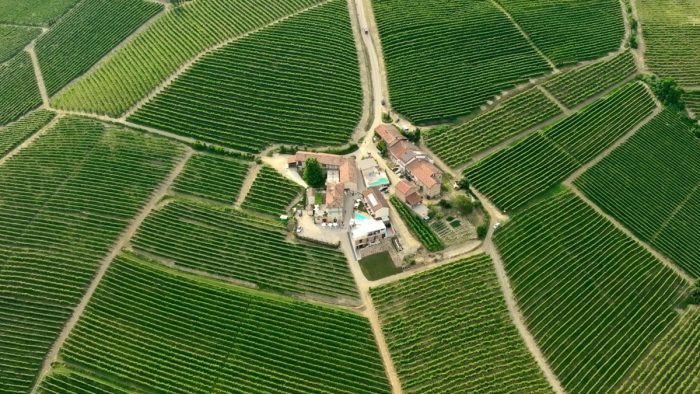
Hospitality is one of the areas on which Zorzettig intends to invest in the coming years, also thanks to opportunities offered by the new Cantina Viva. The company already has a lodging facility immersed in its own vineyards, where guests can stay with a bed & breakfast formula, living in close contact with the Colli Orientali del Friuli landscape. The facility is open mainly from May to October and can be booked directly through the company or through specialized portals.
“The peculiarity of our offer is that all the vineyards surrounding the facility are our property. Those staying with us are therefore completely immersed in the vineyard landscape and can choose to enrich their stay with a winery visit and tasting”, explains Annalisa Zorzettig.
The current wine tourism offer includes guided tours and tastings, with the possibility of accommodating large groups, up to 50-60 people, through formulas adapted to different needs. But the project is set to expand thanks to the new spaces of Cantina Viva and the definition of experiential packages that will be presented around the beginning of 2027, along with the renovation of the company website.
One of the most interesting news concerns the valorization of historic vintages, through the creation of an archive that collects bottles preserved by the company over the years. A company, Zorzettig, whose first bottles date back to 1874. “We had the opportunity to set aside an important quantity of product, building an archive of our historic vintages. In the future it will be possible to organize dedicated tastings and also purchase these wines”, Zorzettig anticipates.
The company also collaborates with local restaurants, to which it directs guests interested in discovering local gastronomy. Among future prospects is also the development of services aimed at cycle tourism, a growing segment in Friuli Venezia Giulia thanks to the presence of routes such as the Alpe Adria cycle path, which connects Salzburg to Grado.
“Friuli is becoming an increasingly interesting destination for those traveling by bicycle. Very beautiful cycling routes have been created and I believe that, in the future, we will be able to develop dedicated services as well, such as charging points for electric bicycles. It will be a subsequent step in our growth path”, concludes Annalisa Zorzettig.