Diversification is underway in the wine tourism market, which is increasingly transforming into a 360-degree immersive experience in nature. Food and wine hubs are spreading, along with winery hospitality offerings and more original experiential forms such as nature bathing, digital tastings and wine glamping. These new trends have emerged to satisfy an increasingly diverse and demanding user base.
After all, a country like Italy with 526 certified wines, 6 tangible and intangible assets recognized as world heritage sites, 3 UNESCO creative cities for food and wine, and 2 FAO Landscapes cannot help but lead companies to revolutionize the traditional hospitality offering.
The innovations were presented at the recent Global Conference on Wine Tourism in Alba, Piemonte.
SOCIAL SUSTAINABILITY AND OPEN SPACES
7 out of 10 Italian tourists declare they are more inclined to visit a production company if it includes projects supporting the local community.
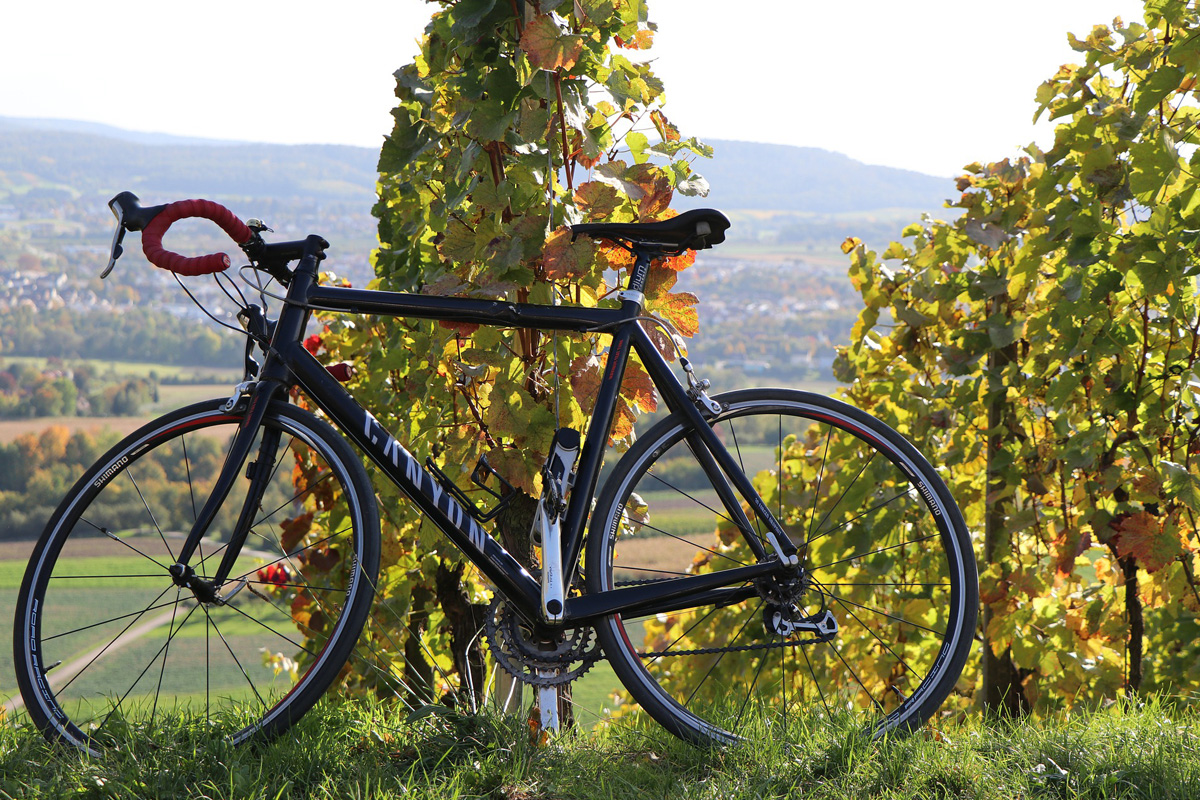
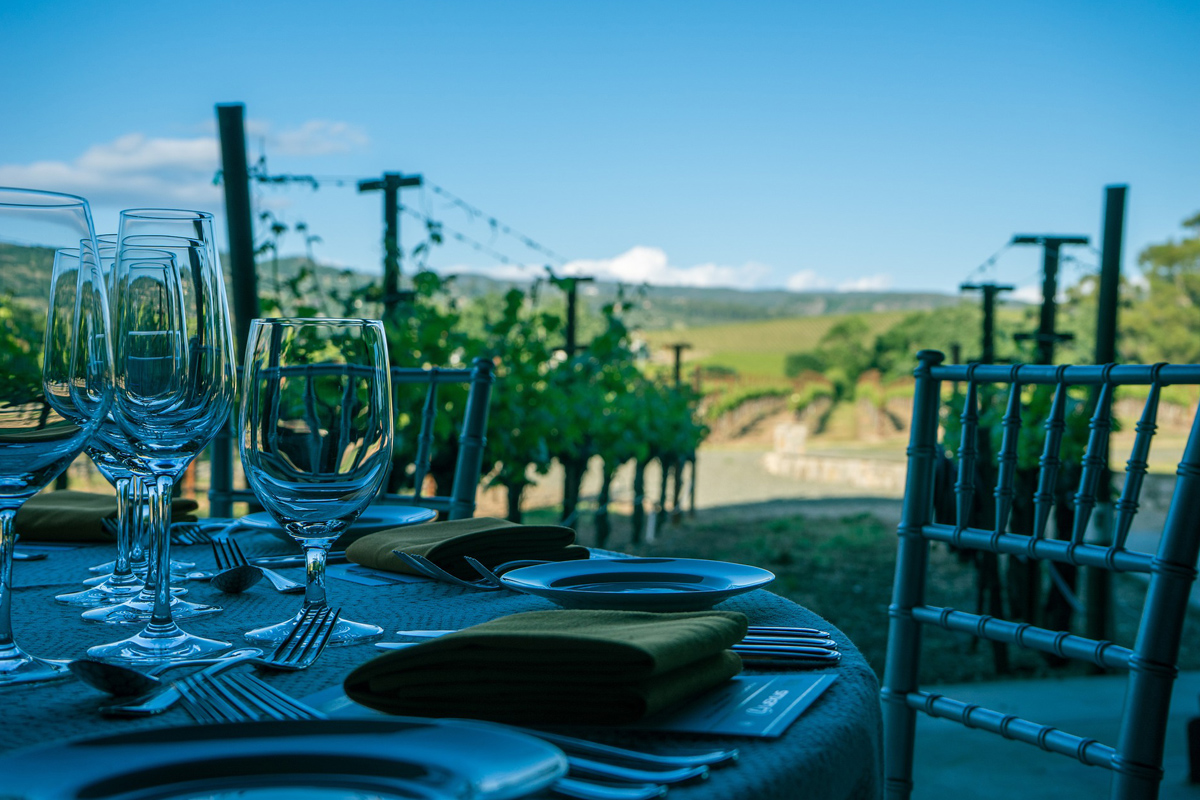
Bicycle tours, e-bikes, mountain bikes, wine and food trekking, combining active and slow approaches, are the preferred methods. For this reason, Italian wine tourism is also transforming in its tourist reception methods, for an all-encompassing experience. Wineries also connect with hotels, offer new overnight accommodation proposals in vineyards through wine glamping and open gourmet restaurants inside their facilities, where wine is paired with excellent dishes based on local products. Thus, beyond the aspect of historicity, design and arts, to which Italian wine has always paid particular attention, the ‘experiences’ offered by companies are expanding, combining with gastronomy and the world of work. Wineries become spaces for meetings, team building and corporate activities immersed in the tranquility of rural landscapes.
As for Italian preferences, 48% want to stay in a themed hotel, 25% in glamping and 68% want to have lunch or dinner at a winery.
FOOD AND WINE HUBS
The rural world also enters the city, with urban vineyards and markets transforming into authentic attractions. The so-called ‘food and wine hubs’, true museums of taste and agri-food tradition, facilitate tourists in discovering wine and gastronomic culture and are sought by 60% of Italians during their travels. Today’s tourist has indeed become more demanding, active, curious. They seek new and engaging experiences that can excite and enrich them. Wine tourism attracts a broad audience ranging from singles to families with children, particularly women and young people.
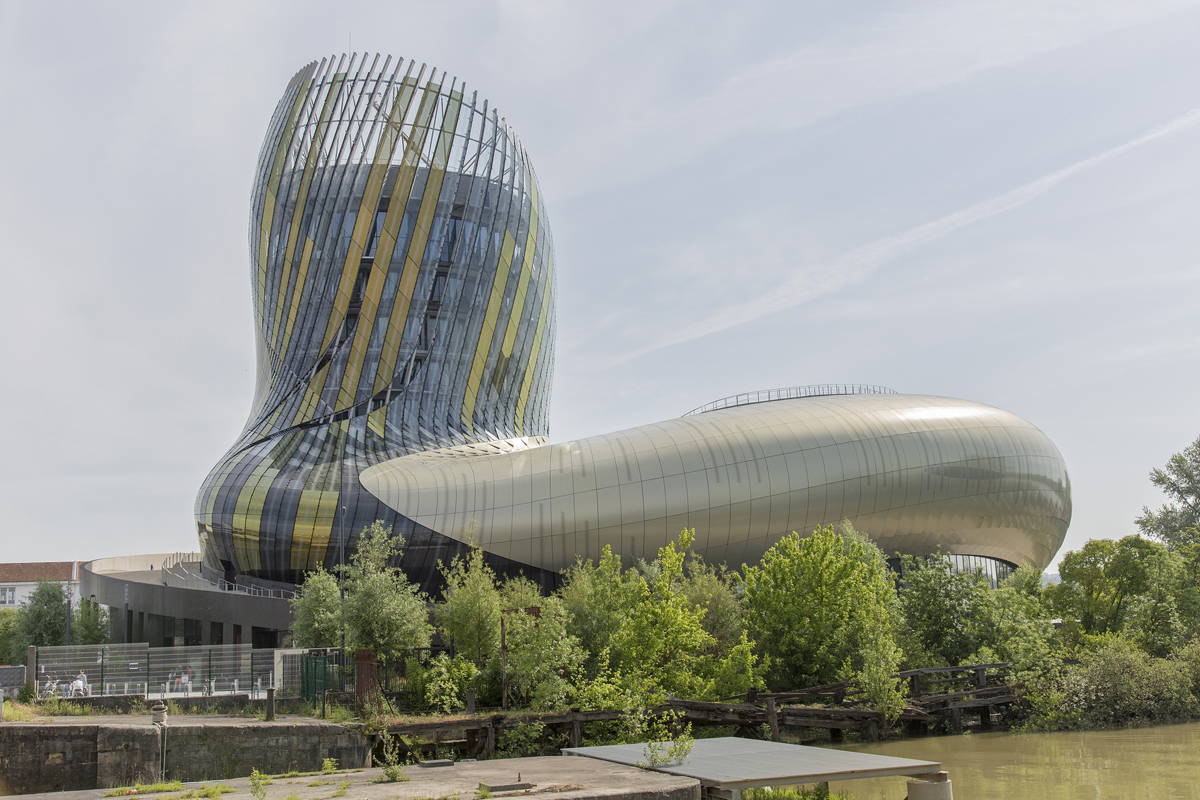
The wine museum in Bordeaux
BETWEEN NATURE BATHING AND METAVERSE
Wellness, yoga and pilates courses and art lessons in vineyards, as well as nature immersion, are the offerings that enrich many Italian wineries’ proposals. Wine tourism has transformed into an opportunity for regeneration.
At the same time, wine tourists also seek new experiences in the metaverse: NFTs, gaming and augmented reality are the new challenges. Wine tourism marketing is transforming by focusing on digital tastings, which are appreciated by tourists both in pre- and post-experience (by 48% and 50% of Italian tourists respectively).