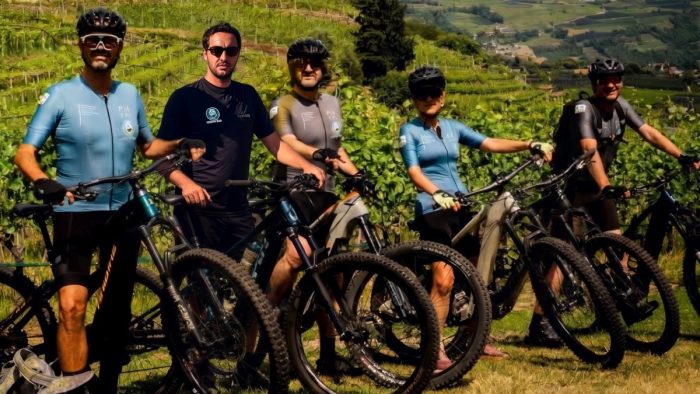
How can we combine wine tourism, or even simply dining out or wine tasting, with compliance to the new traffic code rules that, as we have already highlighted, only changes the amount of penalties and not the levels already established for being able to drive?
Vito Intini, President of Onav (Organizzazione Nazionale Assaggiatori di Vino), states that: “The new rules require a constructive response from the sector, which can see this situation as an opportunity. There is much talk about penalties, but there are few references to education about drinking, which is more necessary than ever today. Courses in this sense are an important opportunity to have new tools and it is essential to allow those who love wine to learn about it without risking their license. We at Onav have done this.”
The issue must be evaluated under two aspects: that of teaching and education about drinking, and that of events that increasingly involve wine in its territories. Regarding Onav’s activities, the Association has been active for some time in educating about conscious drinking, also through Convi (Consulta Nazionale Vino), and therefore in understanding the risk that abuse or excessive use of alcohol can cause, not only while driving.
Onav also suggests virtuous practices for its courses and events such as:
– scheduling lessons and monothematic evenings not too late, advising participants to attend after having eaten,
– pouring less wine in glasses, but still sufficient for a good organoleptic approach,
– not concentrating wine tastings at the end of lessons, to favor the metabolization of consumed alcohol.
These simple but good practices protect participants from potential risks and, as additional guarantee, Onav is committed to equipping all its Sections with breathalyzers to test members who do not feel confident.
The second important aspect consists in adapting the organization of wine-related events or those that contemplate wine consumption. Onav indicates that these should be organized in places served by public transport, or that shuttles should be made available to reach them. It also suggests organizing in groups, alternating tastings always with moderation and perhaps choosing from time to time who can act as designated driver. Naturally, the shared sense of civic responsibility that must guide any action, not just drinking, remains.