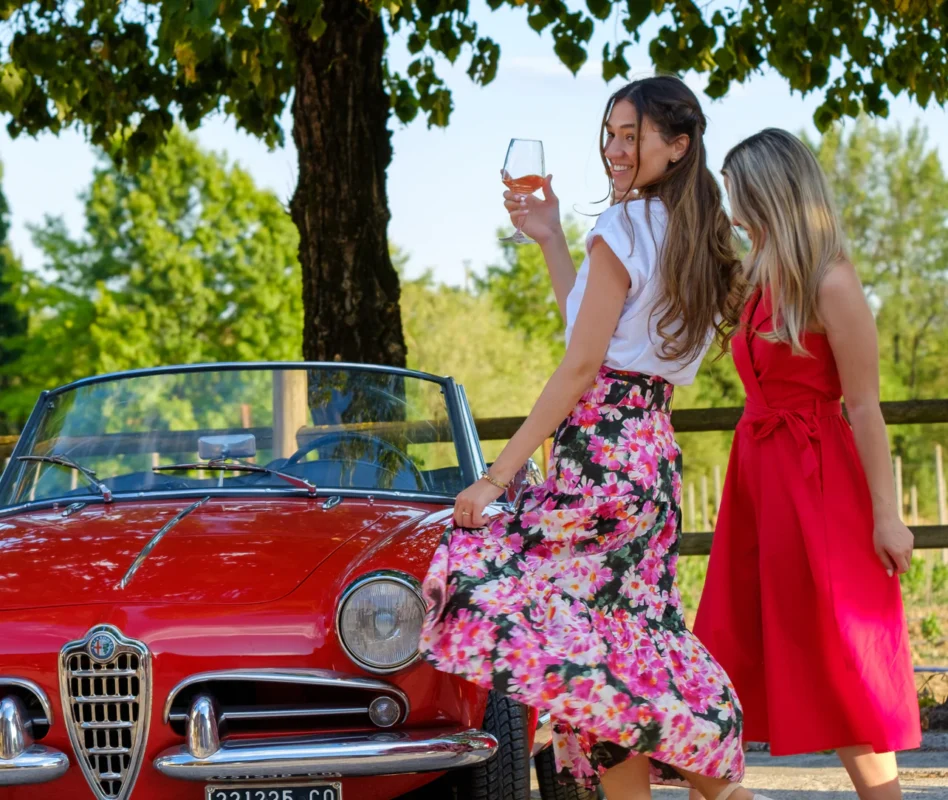
Monte Netto, did you know it? It’s a small hill, 133 meters high, that appears suddenly and unexpectedly along the cycle path between Brescia and Cremona. And it’s a wine area, a territory with a small denomination that takes the name of Capriano del Colle, like the town where this hill is located and where the winery we’re talking about today is situated: San Michele.
This agricultural company is owned by the Danesi family. Its history is quite recent: everything began in the early 1980s with the acquisition of some plots and a winery in Capriano del Colle. Those were years when on Monte Netto the focus was on producing large quantities of decent wine at good prices, sold in bulk. Much progress has been made since then, and today the winery is the flagship of the denomination, has been certified organic since the 2018 harvest, and offers a wide range of wines, from sparkling wines (Belvedere Brut, blanc de blancs) to dry and sweet reds, whites, and even a rosé. It has sixteen hectares divided among eight plots, each with its own characteristics. They have worked with particular conviction and determination on Marzemino, a grape variety that connects the territory’s history to ancient Venetian rule, and on Trebbiano, which in the Brescia area is called Turbiana and is the reference grape of Lugana, whose territory is not far from here. Just a few kilometers from Brescia, San Michele represents a particularly interesting “out-of-town” solution for a wine tourism experience, which can be enjoyed Monday through Saturday (9am-6pm) at a cost of 20 euros per person. The basic package includes a visit to the vineyards and winery and a guided tasting of three wines, paired with a selection of local cured meats and cheeses. And then, as Mario Danesi told us, co-owner of the company and vice president of the Capriano del Colle wine protection consortium, there’s a regular Sunday event during the warm season that represents a true showcase of local specialties.
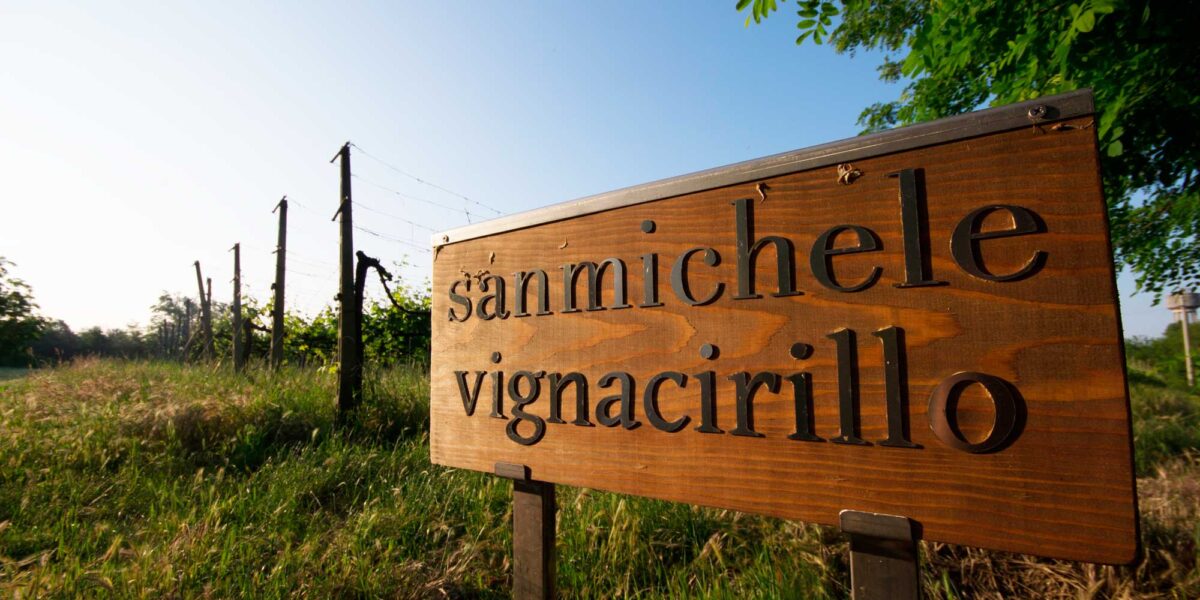
How have you structured wine tourism?
Hospitality at our winery has always been one of our main vocations and a way to introduce people to a territory that deserves to be visited. Since it’s a more limited territory and perhaps less known than others, we think that hospitality is a fundamental step in communicating its characteristics.
Where do you manage hospitality?
A few years ago we decided to renovate a historic farmhouse in the area, Cascina Belvedere, built in 1884. The visits, from May to October, conclude at this farmhouse and every Sunday evening we offer an aperitif inside with our wines and local products.
Can guests also stay overnight?
At the moment we don’t have rooms, but there’s a project in the works and this should represent further development.
What’s the unique experience you can offer wine tourists?
Besides the opportunity to taste our wines, the chance to experience a territory close to the city of Brescia and, at the same time, immersed in nature, in a regional agricultural park.
How do you see the future of wine tourism and what changes is the “crackdown” related to the new traffic code causing?
When a change comes, it leads to reflection on the evolution of a phenomenon, and this also applies to wine tourism. In any case, we haven’t noticed any particular changes in recent weeks compared to previous experience. Certainly, developing hospitality with the future addition of overnight stays could represent a strong point.