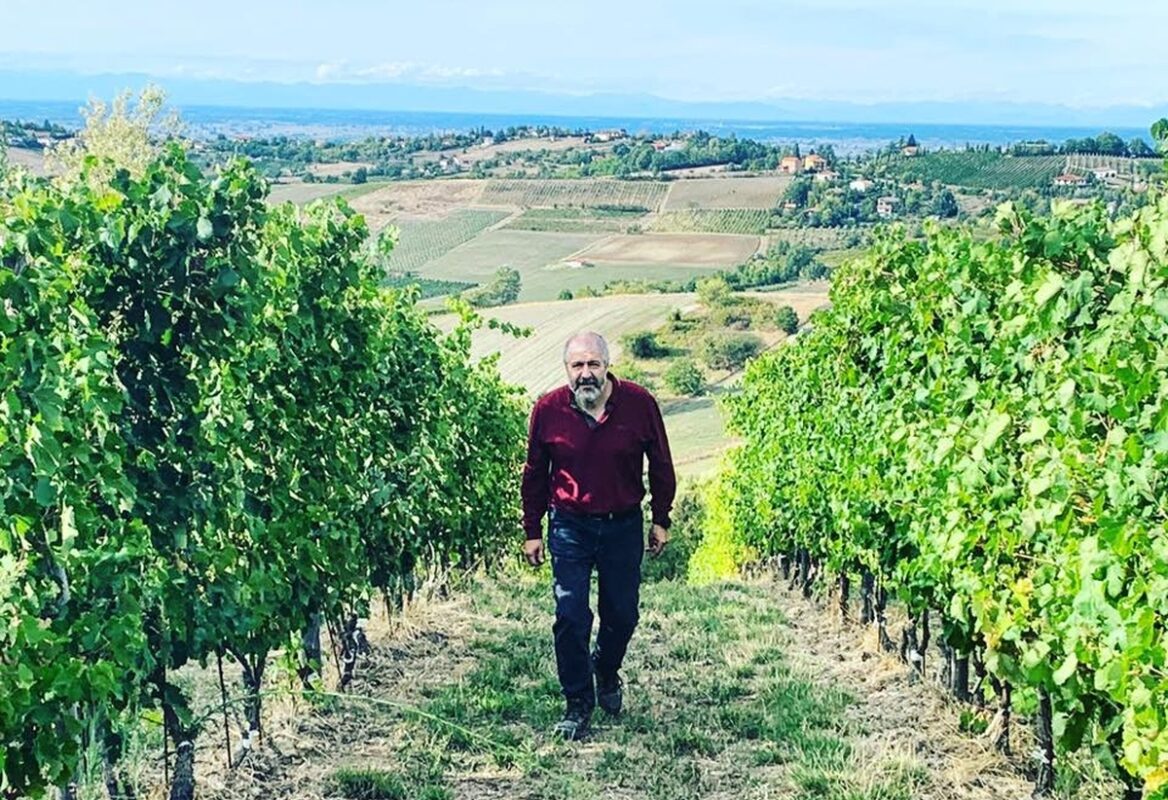
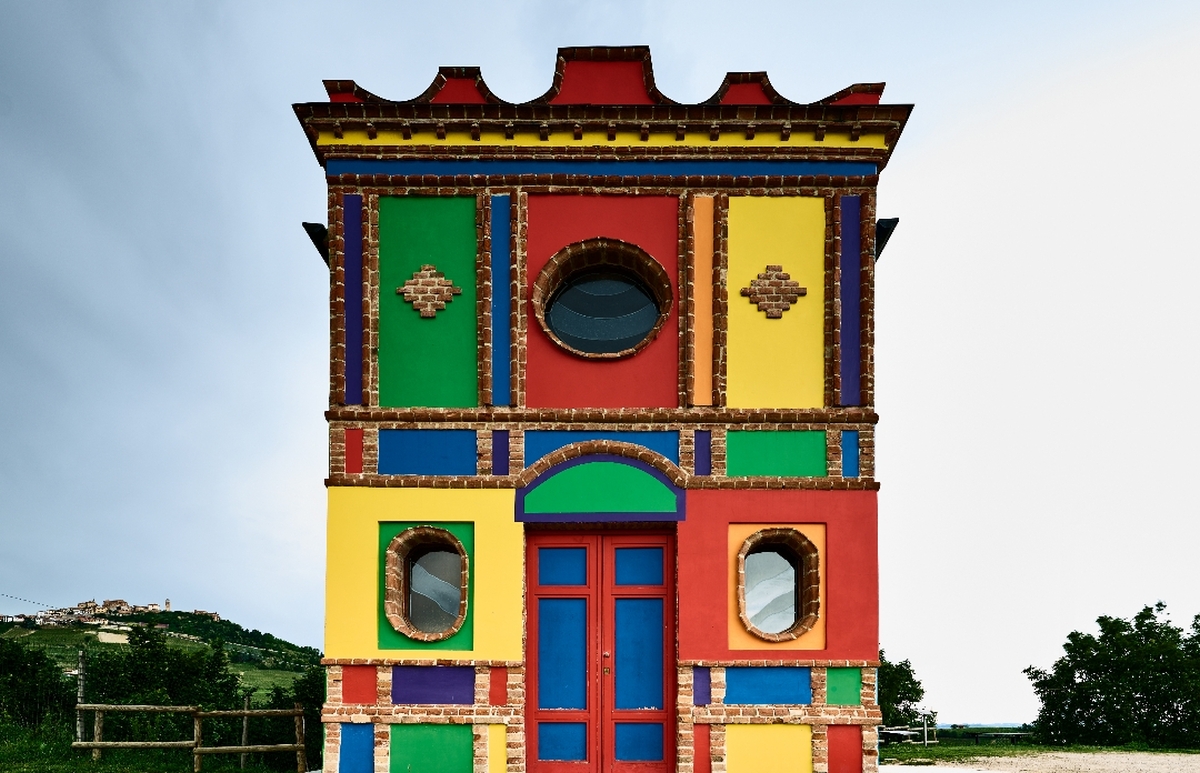
When talking about wine tourism in Langhe, the name Ceretto inevitably comes up. A company that, with its initiatives carried out in the territory, has helped create a turning point in hospitality by creating true icons that have become destinations. We cite three: the Cappella del Barolo in La Morra, L’Acino in the Monsordo estate in Alba and finally, since dining is a fundamental asset of tourist appeal, the restaurant Piazza Duomo by Enrico Crippa with its three Michelin stars. These are all properties and investments attributed to the group famous for its Barolo crus, but which has tied much of its economic success to one of the best-known Italian still white wines in the world, certainly the most important in Piemonte: the Arneis Blangé. The aforementioned investments in hospitality would be enough to live off glory and income for years to come, but that’s not the case. At Ceretto they have already raised the bar and even though this year’s projects in the pipeline won’t come to fruition, between 2023 and 2024 there will be the inauguration of two other highly attractive locations, one in Langa and one in Roero. Roberta Ceretto, family member and head of marketing and communications for the company, tells Italian Wine Tour about it.

What projects are in the pipeline?
The first concerns La Morra. A short distance from the Cappella del Barolo, which attracts approximately 100,000 visitors each year, there’s a ruin that almost looms over the little church that has become an attraction for its artworks. We’re restoring it and it will become a hospitality center focused on food and especially wine. After all, we’re in one of the most important Barolo crus, Brunate, so it’s right that Barolo should take center stage. It won’t be a restaurant with fine dining ambitions but rather something similar to a wine bar or local “piola,” with a huge selection of territorial wines and especially Barolo. We would have liked to inaugurate everything this year but, given the general construction situation and considering the extended timeframes for obtaining permits – we are still in a UNESCO “red zone” – we’ll have to wait until 2023.
And the second project?
In Roero, where the Blangé vineyards are located, we purchased an eight-hectare hill in Vezza d’Alba, and in the middle there’s an ancient tower that we’ll transform into an art object. At the moment I can’t say much more, but the hope is that our investments will succeed in “mobilizing” tourism and particularly that of trekking and cycling enthusiasts, sustainable and responsible tourism that could appreciate the certainly unconventional panoramas offered by a territory like Roero. The work should be completed by 2024.
And for Barbaresco, another of your territories of choice, are there ideas in the pipeline?
In Barbaresco we have a winery inaugurated in 1971 and right now that’s fine as is. It’s not our intention to put too much on our plate: we already have a lot between Barolo, Alba and Roero and before thinking about Barbaresco, we need to consolidate the new activities. Two new projects in two years are very demanding. Let’s not forget, moreover, the offering related to winery visits in Monsordo d’Alba, where you then make the inevitable stop at L’Acino, which represents the base for wine tastings. Here wine tourists can choose whether to do a more generic tasting, in case they don’t yet have a clear vision of the Langhe and Roero territory, or a tasting focused on our crus, which this year, with the presentation of the first vintage of Rocche di Castiglione, have become six. Today we can give a fairly important idea of what the terroir differences are in the Barolo docg and the same applies to Barbaresco, where we have three crus.
What is your idea of hospitality?
The most serious mistake would be to conceive of Langhe as a territory destined for mass tourism. It’s not in our DNA, because crowds of people are not in tune with the territory’s conformity. And then, traditionally, tourists who visit Langhe are knowledgeable and generally seek great wines and great food, starting with white truffles. Consequently, their expectations are high in every aspect and must be satisfied. The most significant change in recent years is linked to accommodation facilities: if before they represented a weak point, today they are in line with the quality of food and wine, mainly thanks to investments by many wine producers who believed in hospitality. Moreover, through territorial dialogue and the enhancement of events, a network of initiatives has developed in Langhe that has helped extend the season: from spring to Christmas there’s always something to do.
What would be needed to give further boost to incoming tourism?
The territory today is in line with the demand for tourism seeking tranquility, experiences in direct contact with producers, active tourism involving trekking, cycling, outdoor life, visits to villages, high-quality dining. We need to be selective, focus rigorously on valuable events, keep the level high. It’s a territory famous worldwide for Barolo and truffles, extraordinary and expensive things: as much as we give, we must demand as much in return.