The Grand Wine Tour – the association that brings together Italy’s finest wineries with the goal of enhancing the potential of high-quality wine tourism – announces the renewal of its Board of Directors. To address an expanding yet extremely fragmented economic scenario such as wine tourism in Italy, the new composition will feature prominent personalities from different areas with great winemaking tradition.
Nadia Zenato – co-owner of the historic winery located between Lugana and Valpolicella – and Elvira Bortolomiol – at the helm of the eponymous company in Valdobbiadene – will respectively take on the roles of vice-president and board member, both with responsibility for the association’s communication.
“The Grand Wine Tour represents something unique of its kind in Italy” they state. “We are very proud to represent worldwide a project that allows us to codify and consequently unify and enhance Italy’s immense wine tourism heritage. Our objective? To reach forty member wineries in the next three years, in order to present visitors with Italian winemaking reality in its various territorial expressions“.
The two entrepreneurs will be joined in their role by Lapo Mazzei from the historic Tuscan group and Alberto Chiarlo from the Piedmontese company Michele Chiarlo. Presiding over the board is Giovanni Minetti, CEO of Tenuta Carretta, a historic company with vineyards in Langhe and Roero.
The association was founded in 2017 from an intuition: to reinvent wine tourism in Italy through the Grand Tour philosophy, which between the 18th and 19th centuries accompanied European nobles and intellectuals of the caliber of Goethe in discovering the artistic and cultural heritage of the Beautiful Country. Wine thus becomes the protagonist of unique and enriching cultural experiences, and The Grand Wine Tour establishes itself as a meeting point among Italy’s finest wineries, bringing together diverse winemaking territories united by uniqueness, beauty, and high-quality wine tourism offerings, from the UNESCO World Heritage sites of Langhe, Roero and Monferrato and the Prosecco hills of Conegliano and Valdobbiadene to Colli di Luni, from Chianti Classico to Colli Orientali del Friuli, reaching the borders with Val di Noto in Sicily. Today the association comprises 16 prestigious wineries located in eight Italian regions: Cascina Chicco, Ceretto, Coppo, Marchesi di Grésy, Michele Chiarlo, Tenuta Carretta and Villa Sparina in Piemonte; Lunae in Liguria and Torre Rosazza in Friuli Venezia Giulia; Bortolomiol, Costa Arènte and Zenato in Veneto; Castello di Fonterutoli in Toscana, Umberto Cesari in Emilia-Romagna, Casale del Giglio in Lazio and Zisola in Sicilia.
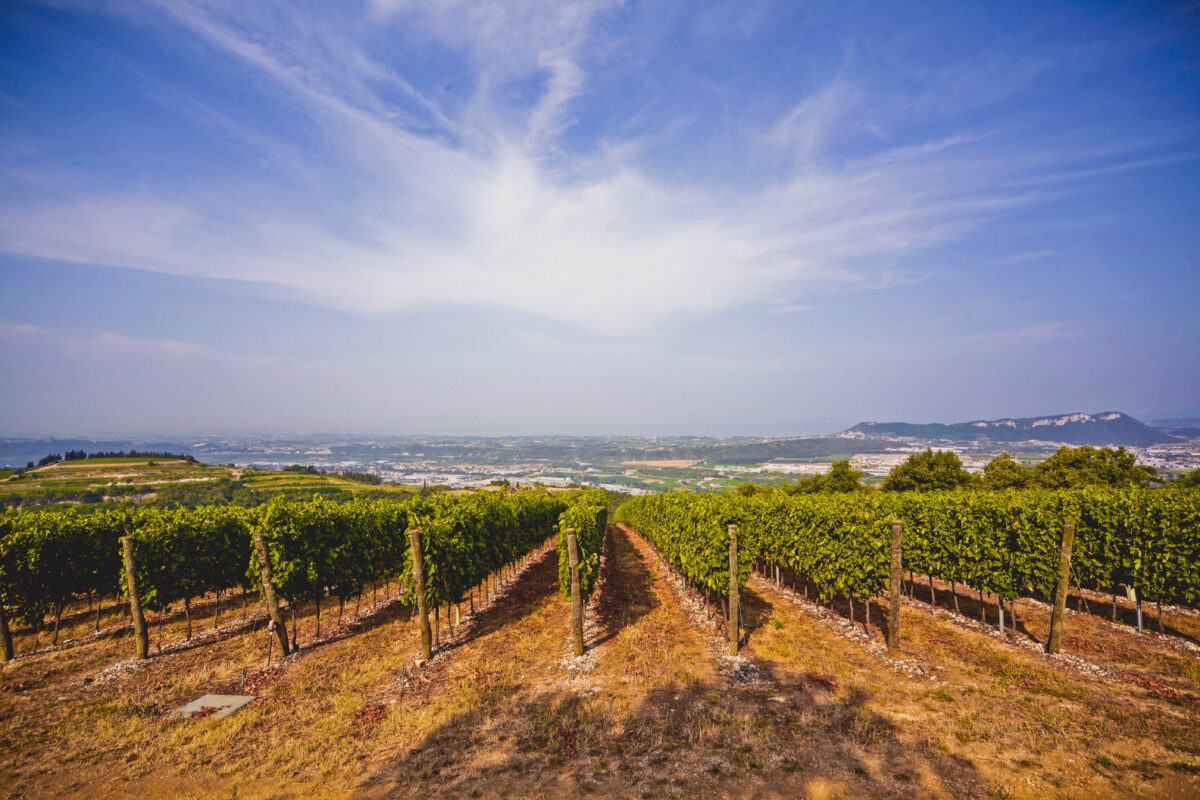
A synergy between centers of excellence aimed at promoting hospitality among the vineyard rows dedicated to wine enthusiasts and demanding clientele in terms of both product and service standards. To pursue this objective, The Grand Wine Tour Quality Mark – unique in Italy in its category – certifies the hospitality standards required of members according to precise evaluation parameters, assessed by an external Technical Body. The Grand Wine Tour is also a Tour Operator owned by the Association itself, active in Italy and abroad in offering exclusive and personalized food and wine tours in the territories of associated wineries. Training and continuing education courses on wine tourism are also offered to the staff of the Association’s wineries, to keep pace with a continuously rising and evolving market.
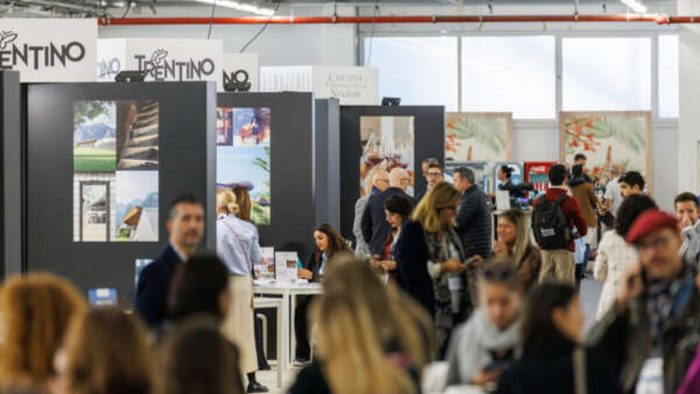
Enriching the 2024-2025 agenda of the new board are participation in industry fairs and B2B meetings with specialized tour operators to achieve greater penetration in foreign markets, renewed communication with strategic focus on end consumers, and expansion of training offerings to strengthen the skills of hospitality staff.
“There is still a long road ahead” conclude Nadia Zenato and Elvira Bortolomiol. “To increase the attractiveness of hospitality, a radical change of perspective in the winery is necessary: from a product logic it’s necessary to move to a service one, from a vision oriented toward professional operators to one directed at private consumers. This is why financial investments are not enough: it’s essential to acquire specific skills that know how to talk about the product but also understand the language of hospitality and are focused on customer service. Once again, the starting point can only be training“.