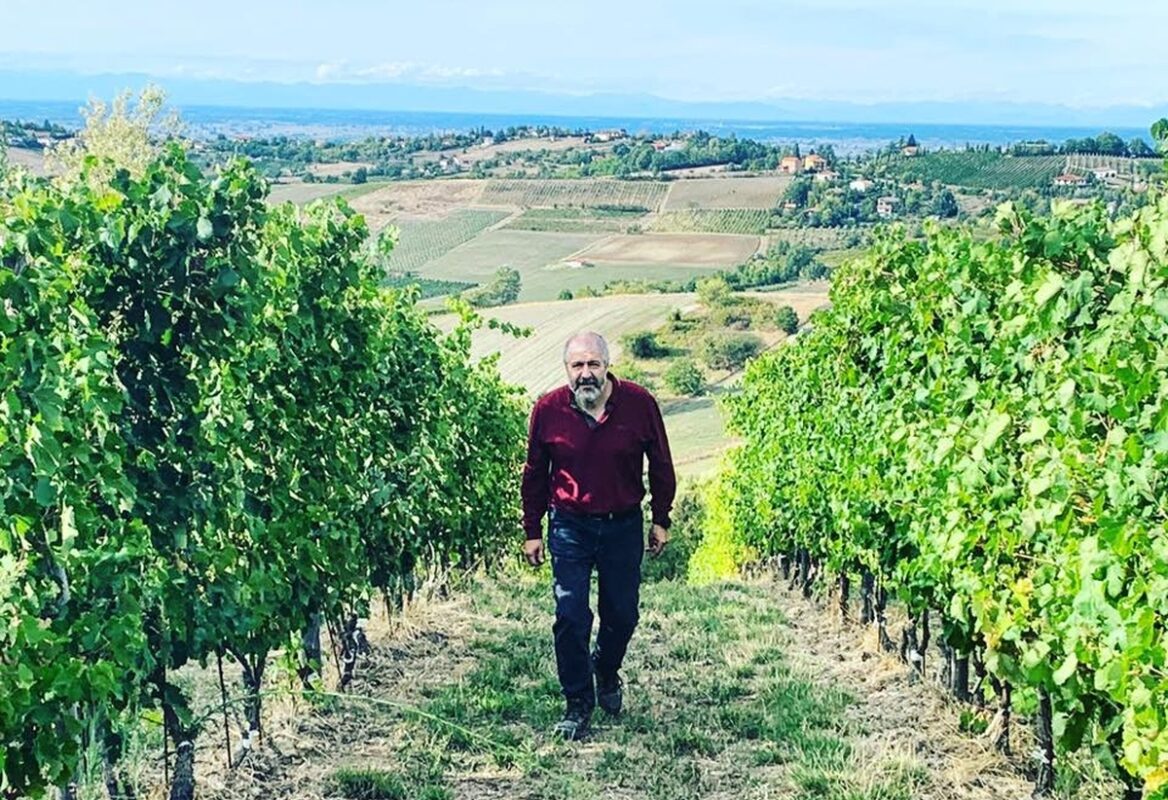
Twenty years ago, the Faro family – at the head of one of Italy’s most important nursery businesses and leader in Sicily – began approaching the world of wine with an approach that combined love for plants with the desire to obtain something unique, in viticultural terms, from the slopes of Etna. The idea was to save some plots of century-old ungrafted vines that had survived, thanks also to the volcanic soil, the harsh test of phylloxera. This idea was at the center of the initiative by Michele Faro, son of founder Venerando Faro, who decided to cultivate exclusively native varieties such as Nerello Mascalese and Carricante, maintaining the bush vine training system typical of the Etna landscape and the preservation of pre-phylloxera vines. Thus was born Cantina Pietradolce, which today celebrates with satisfaction the inclusion by Luciano Ferraro and James Suckling, curators of the Vini e Vignaioli d’Italia 2025 guide published by Corriere della Sera, of Vigna Barbagalli (130 years of honorable activity to its credit) among Italy’s ten most beautiful historic vineyards, the only one from Sicily.
From this vineyard, the company produces Barbagalli Etna Rosso, two thousand bottles produced per year, which the same guide has included among the hundred best Italian wines with a score of 97/100.
“The recognition – commented Michele Faro – is truly a great pride for our family and I believe it is also for the magical Etna territory. Almost abandoned until 30 years ago, this area has experienced a renaissance in recent years that has made it a world-class wine region, with wines recognized for their elegance, minerality and high quality profile. Some of these wines are produced precisely from our beautiful century-old vines, which represent added value from a qualitative and identity perspective”.
We asked Michele Faro to assess the progress of his company’s wine tourism initiatives.
When did you start opening the company to the public and how did you develop wine tourism activities?
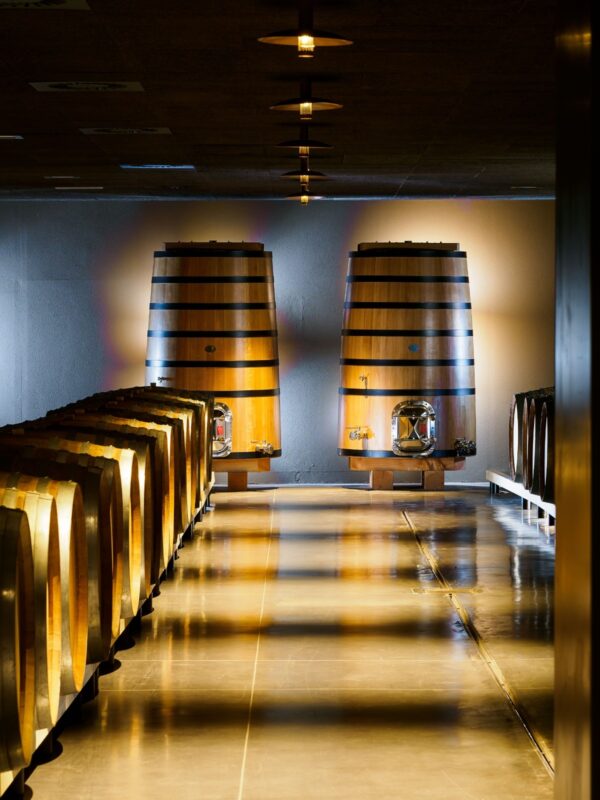
Although the winery was completed in 2017, we started our hospitality activity about 3 years ago, without haste, taking the necessary time to arrange details and ideas.
What aspect distinguishes your company from all other Italian wineries in terms of hospitality and wine tourism experience?
Fortunately, the quality of Italian wine tourism offerings has improved greatly in the last 10 years. Among the aspects that characterize our offer, the possibility of coming into contact with a great heritage of ancient vines certainly has great relevance, in terms of uniqueness, historicity, as well as storytelling and territory conservation. Let’s not forget, however, our love for art and, again, for our land, enhanced by permanent installations inside the winery. All this is enriched by a technical and passionate approach with our guests.
Among the experiences you offer, which is the most requested by the public?
Considering their difficult availability, the tasting of our excellences, “Barbagalli” and “Sant’Andrea”, is the most requested.
How did the last season go for wine tourism?
In general, the great wine tourism interest in Etna was confirmed by a long and very positive season. Specifically, Pietradolce increased the number of requests, although, by our choice, we prefer to keep the number of visitors rather low. This gives us the possibility to work extensively on the quality of the experience, maintaining a very high level of attention and interaction with and towards the guest, or to create a tailor-made proposal for the client.
What projects are in the pipeline?
While aiming to further improve the level of experience offered, there are no major projects in the pipeline. At the moment we are not interested in implementing our offer with accommodation or restaurant possibilities, wanting to give greater emphasis to wine.
A final question related to GenZ: from your observatory, is there a real loss of interest among young people regarding wine? And how can today’s twenty/thirty-somethings be “attracted” to wineries in a more “emotional” way?
The decline in young people’s interest in wine is a fact and represents a global trend. In our opinion, we need to change the way we communicate wine to young people, often confused and distracted by language that is, at times, too complex. The goal should be to create attractiveness with simplicity. In this sense, consortiums, trade associations and information bodies can do much more than a single winery, which can contribute by leveraging the empathetic part and engaging storytelling.