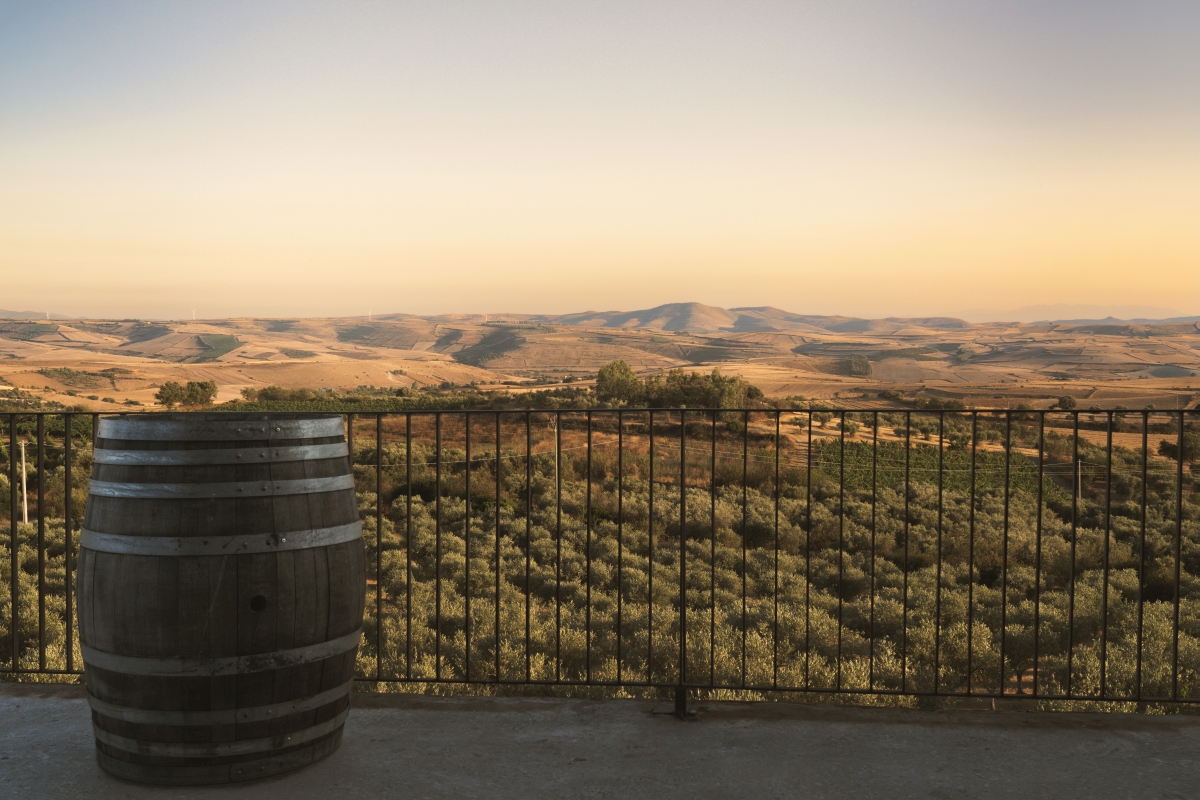
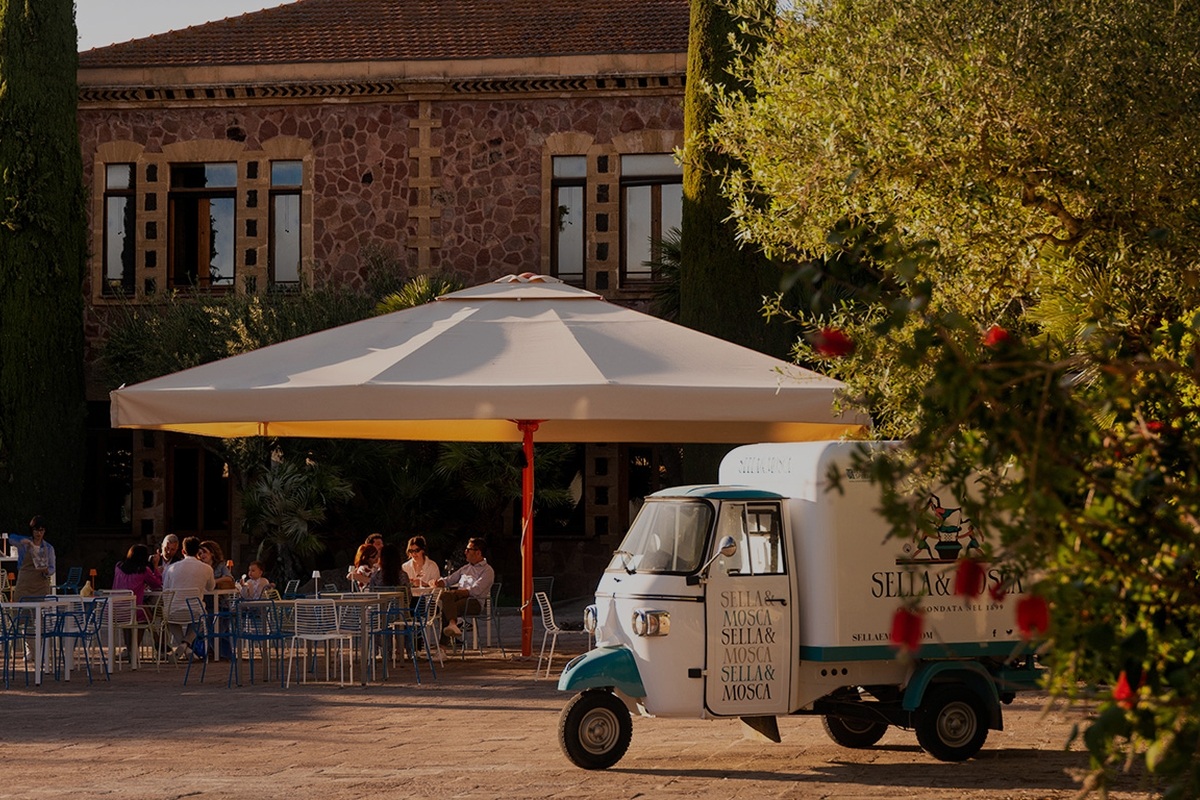
Luogosanto is half an hour from Costa Smeralda, but it’s a completely different world. Homeland of Vermentino di Gallura (Sardinia’s only docg), recognized as a Wine City, this location hosts a good number of small trattorias and shops where you can taste local gastronomic specialties based on fresh pasta (chjusoni and pulilgioni, typical in their slightly sweet variant), or suppa cuata (known as “Gallurese soup”), cured meats and roasted farmed meat or game (especially wild boar), cheeses (typical fresh cow’s milk ones), and traditional sweets like cucciuleddi, papassini, acciuledd’e meli. Furthermore, Luogosanto is a land of wineries all worth visiting, the most renowned of which is certainly Siddura.

STAZZO RETREAT
In this territory rich with offerings, a new resort is being added, or rather a “Stazzo Retreat” as the owners have renamed it. It’s called Gallicantu, will open in spring and features five rooms and two suites, designed by architect Jean Claude Lesuisse and immersed in over three hectares of Mediterranean scrubland and anthropomorphic granite formations. It’s a stazzo – a term deriving from Latin “statio” (station, resting place) indicating both the rural farm and the building inhabited by owners or sharecroppers – dating back to the 1930s and abandoned for almost fifty years before recovery and restoration works.

THE OWNERS
The property belongs to a well-established couple in Sardinia’s high-end hospitality scene. For 12 years, from 2007 to 2019, Marco Maria Berio managed the Pevero Golf Club, giving continuity to his passion for golf after being first a professional player and then a journalist for specialized publications. With him is Raffaella Manca, an expert in communication and marketing for the hotel sector: Raffaella handled public relations for some of Costa Smeralda’s most prestigious hotels (Cala di Volpe, Cervo, Pitrizza and Romazzino) and in 2017 founded CoastPR, a public relations, communication and marketing agency specialized in hospitality, tourism and food & wine.

FIVE ROOMS AND TWO SUITES
The main stazzo houses five rooms, each different from the others, a living room with fireplace for cooler evenings and a wellness area with sauna, Turkish bath, emotional showers and a small relaxation area. A little further away are the two suites Igna and Mendula, overlooking the almond grove where once stood the small vineyard that served the family’s needs. Every space is designed according to organic architecture style: natural elements like iron, stone and juniper find perfect harmony with fabrics, carpets and ceramics of modern Sardinian craftsmanship.

A GROTTA FOR TASTING
The old stable now houses Gallicantu’s kitchen. Breakfast and dinner, exclusively for retreat guests, are served on a terrace with views of the Alta Gallura towns and Corsica. At the center of the estate is the pool carved between rocks and centuries-old trees. Gallicantu’s Grotta has become a cellar for tasting cured meats, hams and cheeses from nearby stazzi or small local producers. At Gallicantu there’s extra virgin olive oil production. Additionally, two hundred mirto plants give life to an exquisite liqueur, made artisanally, while ten bee families produce the honey that guests taste at breakfast or during aperitif in the grotta.

LOCAL ATTRACTIONS
Gallicantu is located just steps from Luogosanto, which owes its name to 22 rural churches scattered throughout its territory. Home to the Holy Door with the basilica of Nostra Signora di Luogosanto, it’s an ideal destination for lovers of active and sustainable travel: you can practice hiking on foot, by bicycle, on horseback, bouldering, canoeing and yoga. Archaeology enthusiasts can discover not only traces of Nuragic civilization (don’t miss the “meeting hut” of Monti Casteddu) and Neolithic (inhabited and funerary tafoni), but especially the greatest concentration of medieval remains in Gallura with Castello di Balajana, Palazzo di Baldu and religious architecture. You can visit farms, vineyards, stazzi, cheese factories, an herbalist shop and a ceramic workshop.