Did you know there’s an official walking route – so significant it’s simply called “il Cammino” among the Prosecco hills of Conegliano Valdobbiadene, a UNESCO World Heritage site since 2019? And it’s a route enjoying great success especially among international wine lovers, having already attracted 10,000 walkers from 40 countries worldwide.
The “Cammino delle Colline del Prosecco di Conegliano e Valdobbiadene“, its official name, has established itself as one of the most beloved experiences for slow and mindful tourism enthusiasts, both Italian and international, with over 7,100 credentials downloaded online, 1,800 handed out in person at starting points, and estimates indicating that at least 50% of travelers walk the route without requesting credentials, with an additional 10% tackling it in groups with guides.
The Cammino consists of 4 stages, totaling approximately 51 km. It winds between Conegliano and Valdobbiadene, starting from Vidor and ending in Vittorio Veneto, crossing historic villages, hill paths, ancient parish churches, abbeys, castles and breathtaking panoramas. A journey through local culture, the beauty of rural landscapes, food and wine, and the authentic soul of a territory with much to tell.
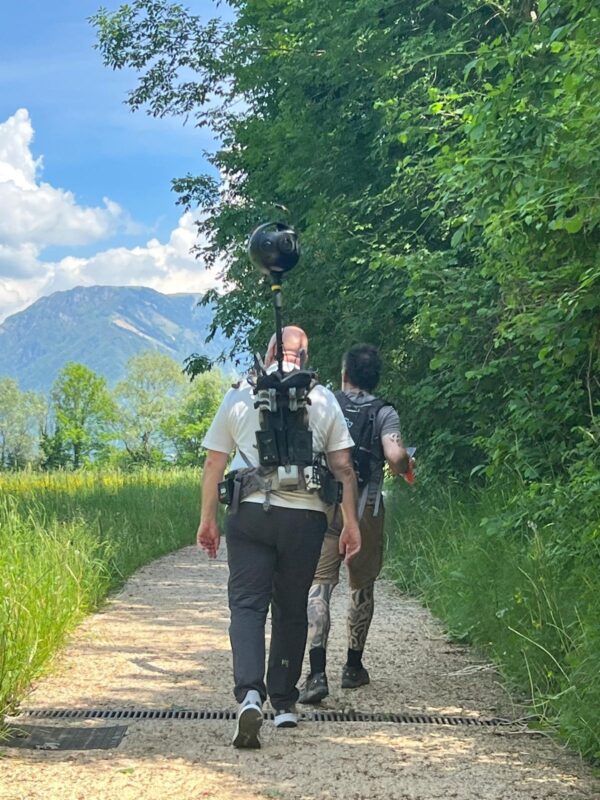
Internationally, the Cammino’s appeal is particularly strong in Germany, France, United Kingdom, United States, Netherlands, Belgium, Austria, Spain and Switzerland. But walkers have also come from Australia, Brazil, Taiwan, South Africa and Canada. The Cammino route, available on Google Maps and Street View, has been viewed by over 1.5 million users. A figure that underlines the growing curiosity toward authentic, sustainable itineraries off the beaten tourist track.
“The Cammino – comments Marina Montedoro, president of the Association for the Heritage of the Prosecco Hills of Conegliano and Valdobbiadene – is becoming a symbol of sustainable and international tourism. It’s deeply satisfying to see our territory chosen not only for the nectar produced here, known worldwide and now the most imitated product – a foreign habit we must counter by all means – but also for the harmony of its landscapes, history and cultural identity. Our insight to map the Cammino along with its treasures – churches, monuments, paintings, abbeys – with Street View was a winning move. We wanted to enable virtual visits not only to intrigue visitors who then come to the Hills, but also to allow those who cannot experience our landscape in person to do so at least with their eyes. This walking route represents a new way to experience our UNESCO site, with slowness and depth. We’ll continue investing in this vision that combines hospitality, protection and enhancement of heritage”.