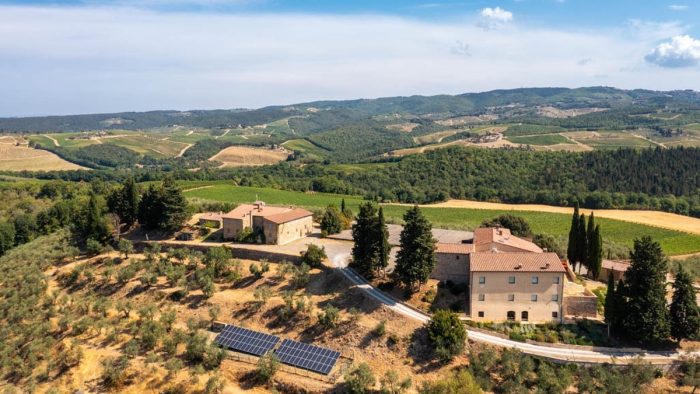
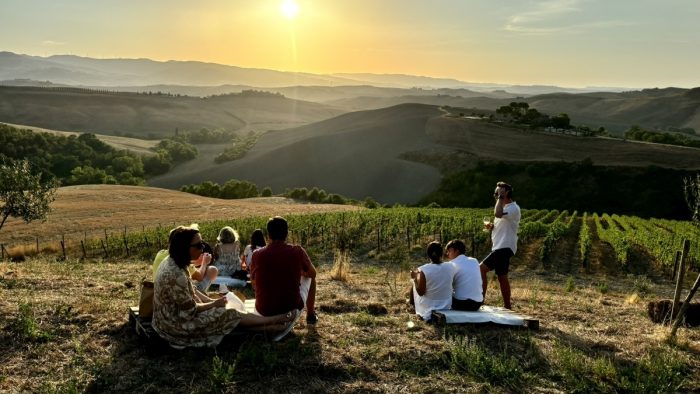
A quality wine tourism offering, spread across the Tuscan territory and in the different denominations where the Gruppo Frescobaldi is present, one of the world’s oldest wine-making realities with seven hundred years of history in the sector. The development has been constant: today hospitality involves seven estates, where the offerings range from tasting to winery visits, from dining to accommodation. The positioning, from the province of Firenze to the Maremma, is the same as their wines: we’re talking about the high-end segment, for a limited number of guests. And with several new projects in sight. The president and 30th generation family member, Lamberto Frescobaldi, spoke to us about this.
How have you structured your wine tourism offering in your wineries?
By offering an experience that pairs our wines with local, authentic food that’s difficult to find outside of Toscana. And this is what tourists expect when visiting a Frescobaldi estate. Over the years, we’ve refined our offering by creating small structures, with just a few rooms and not exactly budget-friendly, within the estates. The function of wine tourism is important because it allows a wine producer, who will never have the large communication budgets of beverage giants, to host, during the year, those 4-5 thousand people who then become ambassadors of his winery. Furthermore, it offers the opportunity to keep the wineries well-maintained, conveying to visitors the idea that quality is achieved at 360 degrees: it’s like having your house in order. This way people speak well of you and it motivates you to do better.
The next investments?
We want to enhance the village of Nipozzano, entirely owned by us. The project involves adding eight rooms to the four already present in the structure, and then we’ll create a suite by converting a beautiful barn. These are significant investments, because rooms are built but then need to be occupied, and everyone is good at filling them on weekends, but the real challenge is achieving full occupancy from Monday to Thursday. The growth of international tourism and particularly Asian tourism offers more opportunities, because it’s certainly not weekend tourism. The wine tourism phenomenon is destined to grow. But there’s a risk to avoid.

Which one?
Wine hospitalities will never be able to compete with hotels in the city. And it would be an unforgivable mistake to think we could become an alternative to those structures, a Plan B when downtown is fully booked. If we rely on the fact that there are no more available beds in Firenze and therefore tourists can come to us, we’ve already lost.
What’s the winning solution?
We must be something different and propose a different lifestyle, through experiential connection with the countryside. Which doesn’t just mean wine. When the Mad Cow Disease case broke out, we found ourselves in great embarrassment because we thought: we do everything to have people taste our wines, but then what do we feed people? So we decided to relaunch cattle farming, an activity we now carry out in Nipozzano and in Maremma. This way, those who come to us eat our meat, eggs from our chickens, and other products purchased from small local businesses.

With what results?
It’s certainly not a business, but it’s part of the message of great attention to quality that we’ve decided to launch: a healthy, ethical, even strict supply chain. And it works thanks also to our employees and collaborators, who are the first ambassadors of Frescobaldi. When we opened Il Quartino in Nipozzano, they were the first to fill the place, arriving with their families, because they knew that the cold cuts were from our farms in Mugello and that all the products were from the territory. This is the path we want to follow. If northern Europe relies on industrial food brands, we Italians, who have access to the world’s most varied and enjoyable cuisine, have the opportunity to distinguish ourselves precisely through territorial excellences.
In closing, managing winery visits. According to the 2023 Report on food and wine tourism, visitors’ need is to obtain fewer technical information and we must focus on storytelling. Is that what you do at Frescobaldi?
Absolutely yes. The winemaker’s story about macerations, vinification and all other technical information is extremely boring and quickly forgotten by those who listen to it. Wine quality is the premise, but what must be told today is the story, the emotional content of the product. Only this way will we manage to leave a mark on people who enter a winery.