The project should be completed by the end of next year, construction work permitting. From an ancient village, restored as a hospitality destination, a resort will emerge among the Prosecco docg hills of Valdobbiadene, a UNESCO World Heritage territory. A true Tuscan-style resort that will represent a quality leap for an area with tremendous wine tourism potential but poorly equipped with facilities matching its reputation. This village is located within the property of Cantina Fasol Menin.
AN EVENT VENUE
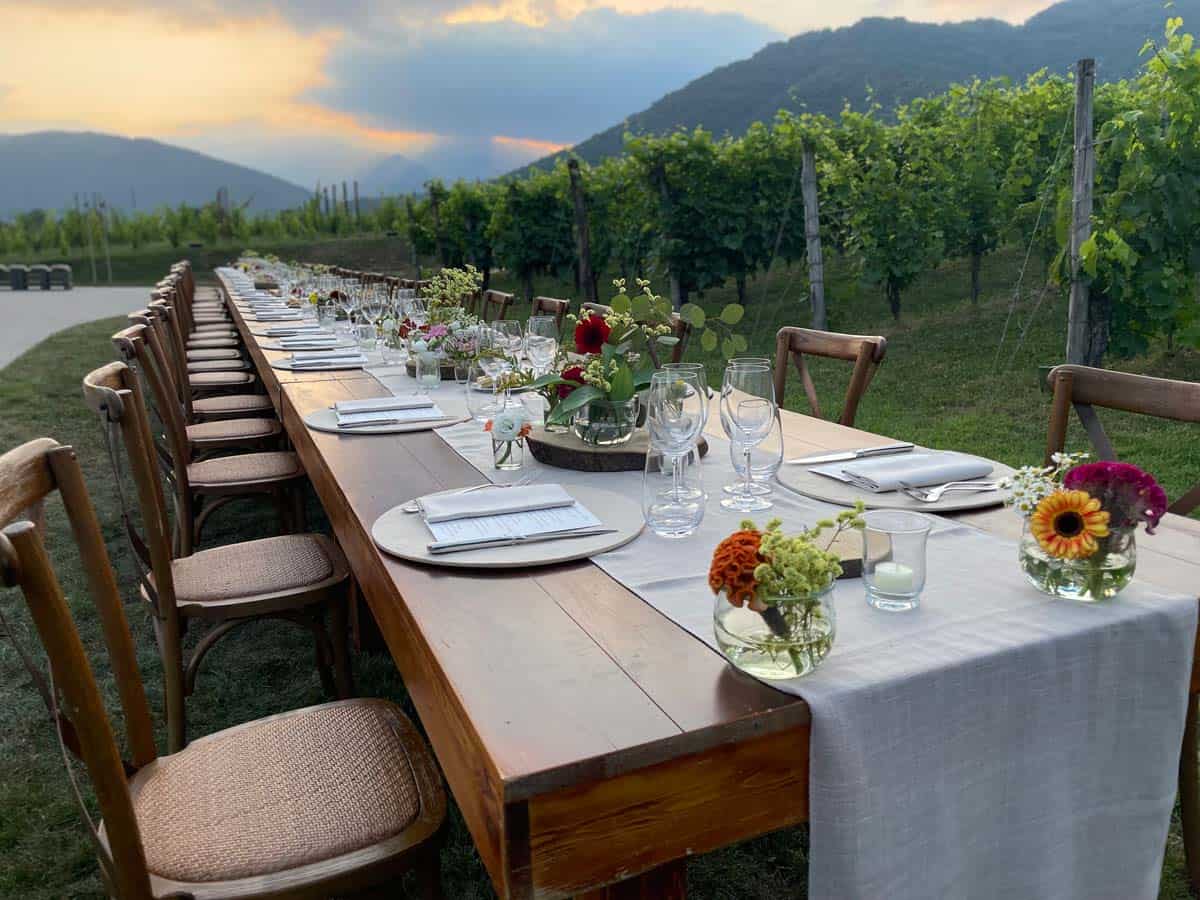
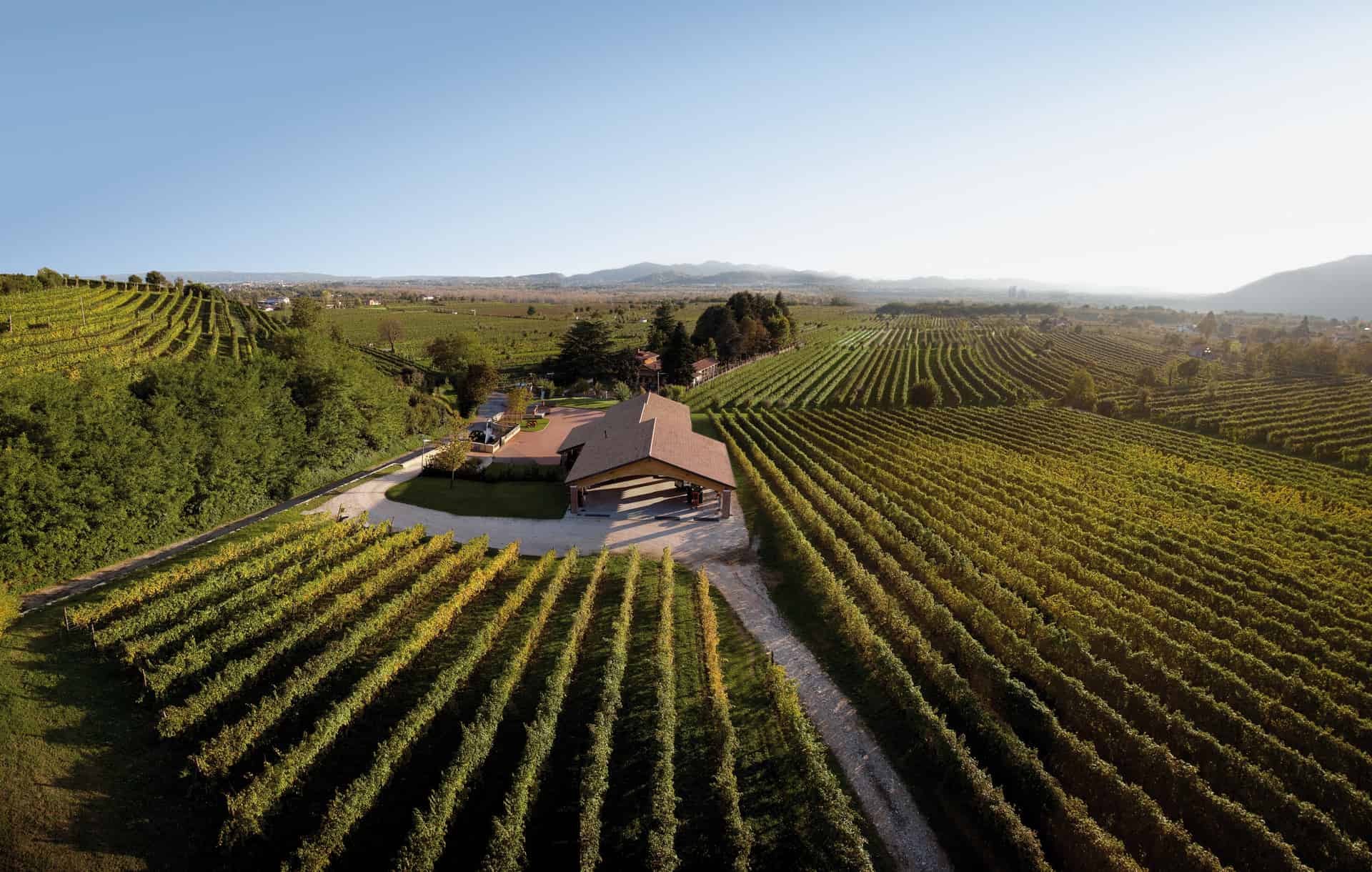
The estate, 11 hectares in total including a portion within the precious Cartizze sub-zone, is located in the municipal territory of Valdobbiadene. Fasol Menin was founded twenty years ago by Silvana Curto and Massimo De Nardo. In 2020, it was acquired by the Tramet family, active in the food sector as brokers for large-scale distribution through the company Tramite Group. Their arrival, despite the pandemic, gave a further “boost” to the company’s hospitality activities with art exhibitions, book presentations (recently, governor Luca Zaia himself chose Fasol Menin as the venue for presenting his work “I pessimisti non fanno fortuna,” published by Marsilio) and other public events. Last year, Fasol Menin welcomed over 100,000 visitors. “We break the mold, going against the local trend,” commercial manager Alfredo Bianchin told Italianwinetour during the Hospitality event in Riva del Garda (where Fasol Menin was exhibiting in the Winescape area). “We enjoy organizing as many events as possible, of different types.” Hence the social aperitifs, dinners and vineyard picnics, wine box decoration courses that transform them into collectible items. New ideas constantly emerge, thanks to the creative force driven by the staff’s average age: the “oldest” employee is 36 years old. It’s curious that so much youth is active precisely here, where the oldest hamlet in the municipal territory of the Prosecco capital stands. And where the old village will soon have new life. “We’ll create 15 rooms, it will be the first village restored for tourist use,” Bianchin specifies. And Alessandro Tramet, who handles the winery project on behalf of his family together with his sister Giulia Tramet, adds: “Today in the village we’ve created a local crafts museum, which represents one of the things to visit at Fasol Menin. We’ll continue the work but preserve the museum, because we need to tell our story and the ethical values of daily work.”

HIGH-END DISTRIBUTION
Fasol Menin is one of the few exceptions to the rule in Prosecco docg territory, where most wineries produce large quantities (also expanding into doc) by purchasing grapes from suppliers because properties are fragmented and direct cultivation wouldn’t satisfy the enormous demand for Glera-based sparkling wines. The Tramet family’s Prosecco is entirely produced from grapes grown on their own land: being only 11 hectares, it’s a limited production that can be destined for high-end restaurants and internationally renowned nightlife venues. Their wine is found on the wine list at Cipriani in New York, Phi Beach in Porto Cervo, Club Moritzino among the ski slopes of Alta Badia. A significant portion is sold directly at the winery through events and visits, bookable online. Among the latest offerings is the tracked vehicle tour (280 euros for four people, two hours duration) along the Great War route, with final tasting. The events program is constantly updated through the website and social networks, or received via email by subscribing to the company newsletter. Tracked vehicles aside, the company pays special attention to sustainable bicycle tourism: the winery is bike-friendly and a free charging station for e-bikes is available in the courtyard. Visitors are mostly foreign: they come from German-speaking countries, Belgium which represents an important market for Fasol Menin, and also from the United States, approached through participation in a fair held at the Aviano military base. There’s no internal restaurant, but the facility is equipped to accommodate catering companies.