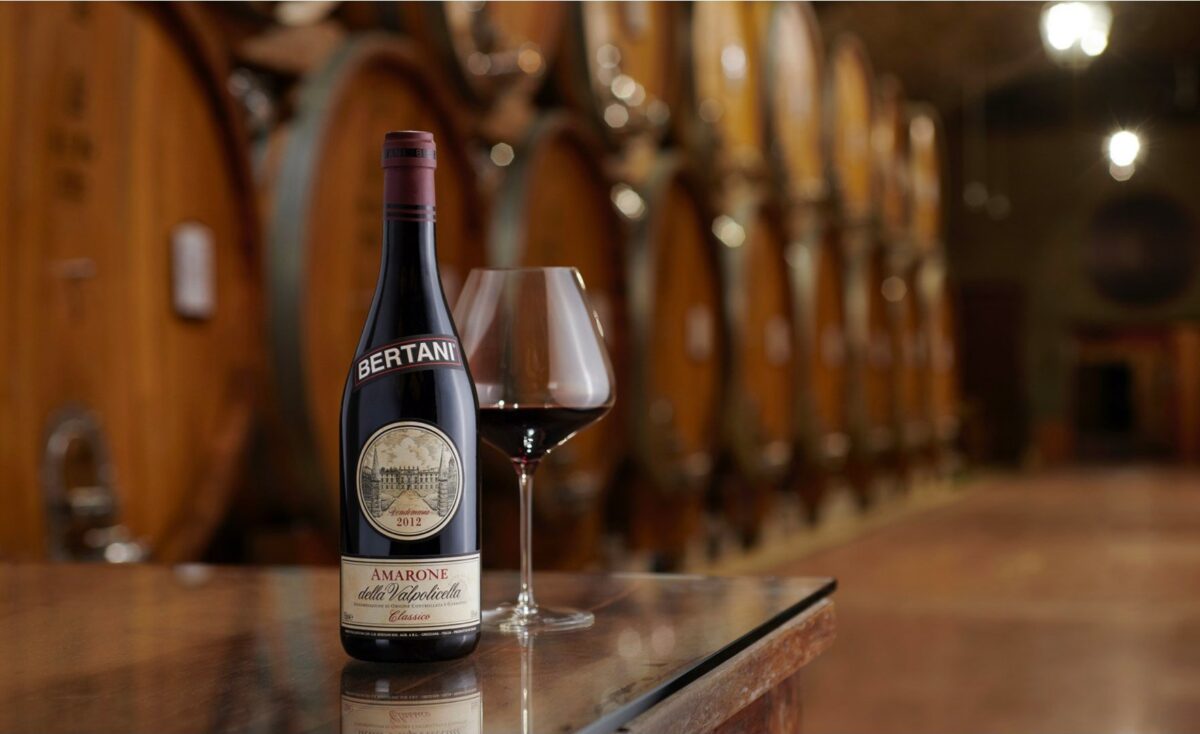
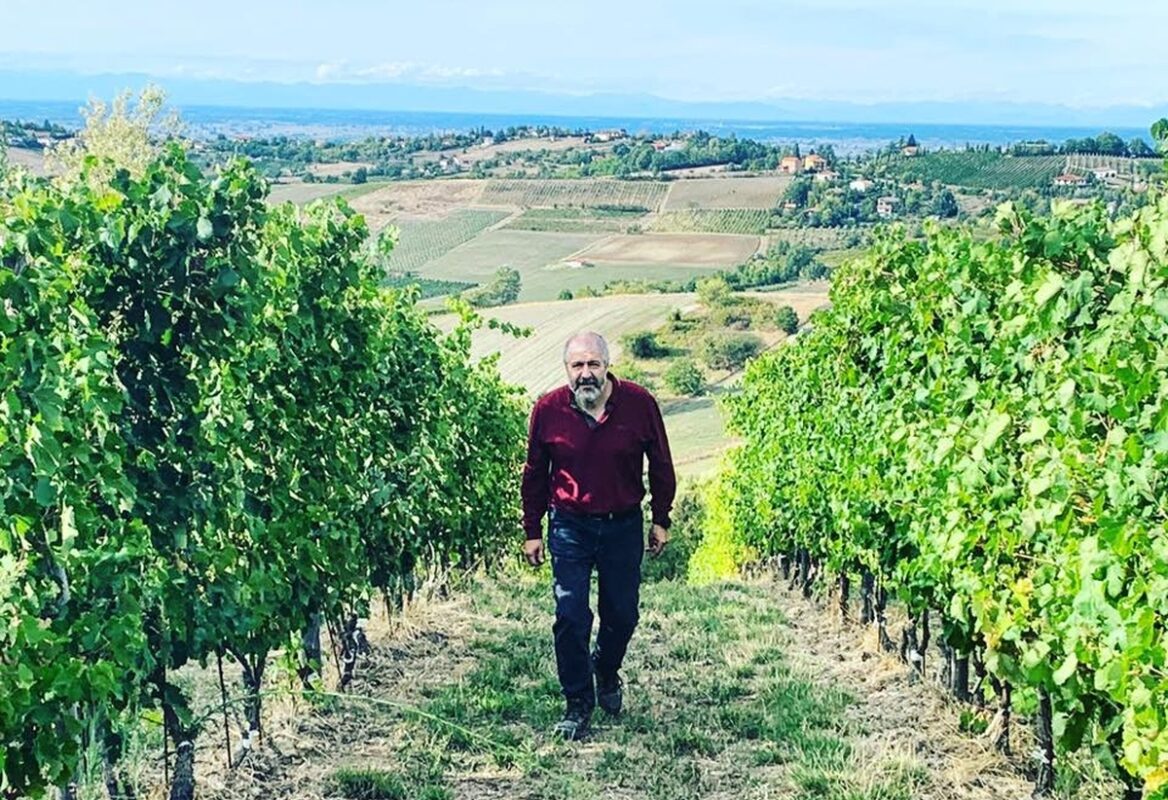
More than five million euros allocated to hospitality. Rather: to wine experience within the estates and wineries of the Angelini Wines & Estates group, a new brand destined to replace the current Bertani Domains to characterize and gather under one entity the six properties of the Angelini family in the wine sector: Cantine Bertani in Valpolicella, Cantina Puiatti in Collio, Val di Suga in Montalcino, San Leonino in Chianti Classico, Tenuta Tre Rose in Montepulciano and Fazi Battaglia in the hills of Verdicchio di Jesi. The investment amount was announced by Ettore Nicoletto, president and CEO of Angelini Wines & Estates, a manager with consolidated experience in the wine world and a firm believer in the importance of wine tourism as a marketing, communication and commercial lever for wineries that approach it with adequate plans and well-defined strategies. “The initial focus of these investments will be two wineries: Bertani in Grezzana in Valpantena and Val di Suga for the Vigna Spuntali estate” Nicoletto told in this exclusive interview for italianwinetour.info/.
How will you approach the wine tourism challenge?
We’re starting somewhat late, because in the two years since my appointment we’ve done intensive work on business management and individual estates. This delay gives us the opportunity to approach the theme differently, with fresh and contemporary language, distant from traditionally used canons in wine tourism. So much so that we prefer to use the term wine experience rather than wine tourism, precisely to detach ourselves from the idea of a standardized journey and instead tackle a tailor-made project, created to measure for clients who decide to visit one of our companies.

What will be the key points of your wine experience?
It will be based on a journey founded on the experiences and tastes of visitors who come to see us, using CRM to reach a direct-to-consumer strategy. Furthermore, we’ll move away from the often self-referential language of the wine world to arrive, through contamination, at the same language that consumers already know when facing other experiences such as online purchasing of luxury goods, staying at luxury hotels, visiting a renowned pastry shop in an Italian city. We’re targeting a young audience that expects to find a certain type of context in a 2022 winery, with full respect for the traditions and uniqueness represented by a winery and its territory, but with more contemporary language and codes.
Starting from Grezzana in Valpantena and Vigna Spuntali in Montalcino. What will you do?
The objective in Grezzana is to have by next summer, at the latest by autumn, a winery suitable for receiving people who can thus deepen the history of a truly unique reality in the world of great Verona wines. Moving to Tuscany, Vigna Spuntali is one of the three estates that make up Val di Suga and is essentially the company’s flagship, the stronghold of its crus. In that property we have a farmhouse that we’ll transform into a charming residence with 4-5 rooms, a swimming pool, a wine shop. The structure will be high-level and special: we’re thinking of calling it Casa Spuntali, to give the idea of a place where you feel at home but live in a dimension of contemporary luxury with strong attention to sustainability. The Montalcino project alone will cover, in the 2022-23 period, an investment volume of about 4 million between infrastructure, organizational setup and technological support for our way of conceiving wine experience.
What is the expected return on investment?
Evaluating return based solely on direct bottle sales or room occupancy would be misleading. We will work with visitors through upstream segmentation, to create tailor-made experiences, and with a series of follow-ups that will lead us to calculate the result of a different approach to hospitality opportunities. I believe that the winery experience and the opportunity to communicate relevant brand content in the place where its wines are born constitutes a very powerful communication method for the brand itself. The return of correct storytelling then strengthens brand loyalty among subjects who could be restaurateurs, distributors, media or simply wine lovers. And each of these must be addressed with different methods reflecting their different expectations. Business opportunities are calculated in the medium-long term and, based on previous experiences, I can say that the return for brand reputation and image has been amply demonstrated.

Thinking generally – and comparing the Italian situation to some wine destinations that have worked well in tourism – here the lack of a systemic vision clearly emerges from the absence of welcome points for visitors. Who should take responsibility for creating and managing them?
Due to their natural role, it can only be the protection consortium, which is also responsible for territory promotion. Indeed, cases like Valdobbiadene, center of a UNESCO World Heritage territory producing 100 million bottles but lacking entry desks to welcome visitors, are nothing short of striking. In my opinion, at the national level, we need a portal capable of presenting wine tourism offerings organized by regions and – within regions – by wine districts, then leaving various consortium entities to manage entry points neutrally, segmenting all proposals and services offered. This way, in territories where wine is the primary attraction, we could network many excellences, from hotels to restaurants to shops and artisan activities. Having done none of this represents yet another demonstration that in Italy there’s no limit to talent waste. And the comparison inevitably goes to what Americans managed to do in Napa Valley, where starting from an idea they built a landscape; we have the landscape but lack ideas, unity and planning capacity.
Are there virtuous cases of wine experience approach in Italy?
They exist but are linked to individual entrepreneurial initiatives, not territories. And these virtuous cases always belong to the “usual suspects,” because companies that do well in markets are those with the necessary sensitivity to understand that it’s not enough to invest in markets, commercial networks, standard traditional marketing and communication, including digital, but instead requires effective work on experience in the places where wines are born. I can cite cases of Antinori, Castiglion del Bosco at the highest level, some Valpolicella companies. And it’s a shame to observe realities more gifted than others in experience potential, but which haven’t started projects worthy of this name and their potential. Wine experience, while being fully part of marketing, has its specific connotation and is no longer negligible.
Are we at year zero?
Let’s say we’re at the dawn.