A visit to Castello di Querceto cannot disappoint enthusiasts of vintage labels and verticals that go far back in time. In the wine library of this estate in Greve in Chianti, owned by the François family for 125 years (we already told their story in this Vinonews24 feature), you can find bottles that have surpassed one hundred years from their reference vintage: they even go back to 1904.
The François family, after all, is among the founders of the Consorzio Chianti Classico, which last year reached the milestone of one hundred years since its establishment. The Castello di Querceto property extends over approximately 190 hectares, of which about 60 are cultivated with vineyards, 10 with olive groves, and the rest consists of oak and chestnut woods, used mainly as a “hunting reserve”.
FROM THE MIDDLE AGES TO TODAY
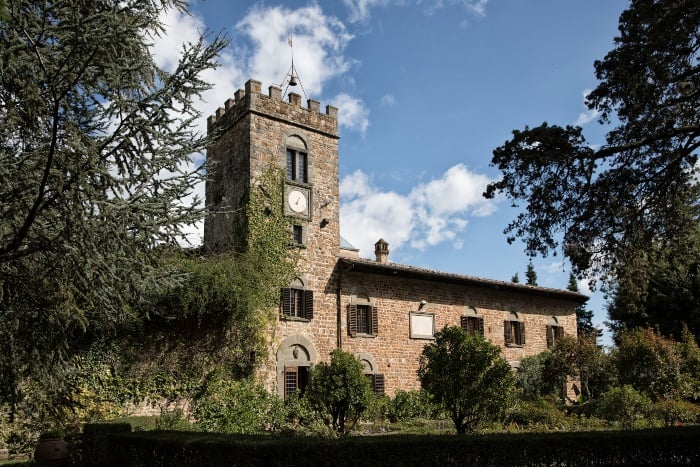
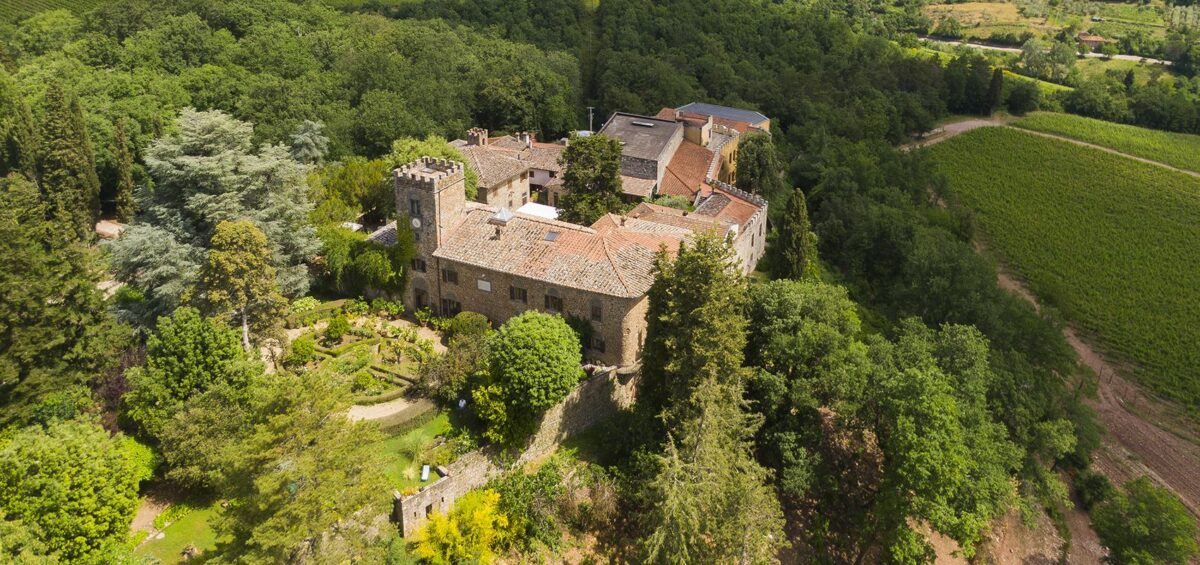
Castello di Querceto and the lands surrounding it are places charged with history and charm. While in the past the Castle stood as a lookout over the via Cassia Imperiale, one of the main arteries of Roman times, to defend the surrounding area, today, framed as it is by the green of woods and hills, it protects like a precious treasure the heritage of its vineyards and olive groves. Of Lombard origin, the Castle still preserves its original medieval appearance with a long L-shaped body and the tower, at the center of the facade, which reproduces the ancient Guelph battlements. Today Castello di Querceto, under the guidance of the François family, positions itself among the leading companies of the Chianti territory, distinguishing itself both for its continuous pursuit of quality and for its role as an ambassador of the territory internationally with its approximately 350,000 bottles exported literally worldwide.
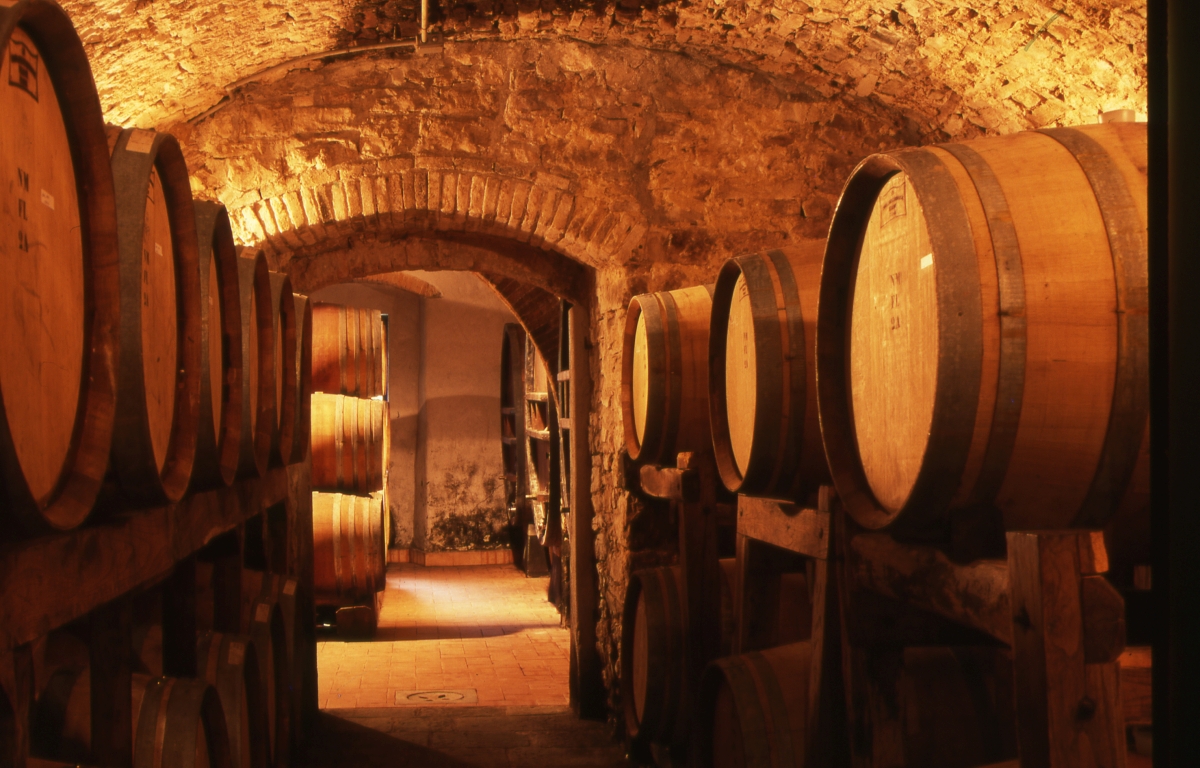
In addition to the family residence, the Castle with its characteristic “merlons” on the tower houses a welcoming agriturismo, historic and contemporary cellars, the wine-library and a beautiful tasting room open to visitors.
THREE VISIT ROUTES
“At the winery – Simone François, company administrator, told italianwinetour.info/ – we conduct cellar visits with wine tastings, with different routes, one dedicated to the cellar and another that also includes the historic buildings present at the winery. We also have various wine tasting proposals, and it’s possible to taste according to the customer’s choice”.
Then there’s the experience of staying overnight at the Castle, open to tourists and guests with ten apartments, some located right in the structure of the ancient manor, others in the rural house completely surrounded by vineyards and oak woods. In addition to the charm and history included in the hospitality, guests can also enjoy a beautiful swimming pool during the summer months.
How is the current wine tourism season going? François observes that: “The trend is good in terms of people coming to visit, in line with the 2024 results. We notice a strong interest in activities and everything that surrounds wine (history, landscape, food/wine pairings, etc…). There is instead a reduction in simple bottle purchases”.
Winery visits can be booked online through the Castello di Querceto website, where you can choose among three different formulas: classic one-hour tour (18 euros per person), classic tour with platter (28 euros) and historic tour with platter (35 euros).
A COLLECTION OF FOUR GEMS
Four are the Chianti Classico in the Castello di Querceto collection: two Gran Selezione, Il Picchio and La Corte, which this year will be presented on the market with the 2021 vintage, the Chianti Classico Riserva 2021 and the Chianti Classico 2022 vintage. These expressions from the high hills of Greve in Chianti, where Castello di Querceto counts on 65 hectares of vineyards, benefit from the freshness linked to altitude (around 500 meters) and soils that vary greatly from vineyard to vineyard – in fact, from the beginning the concept of cru at Castello di Querceto has always been in the foreground. Beyond the Chianti Classico production, the crus Querciolaia, Cignale, Il Sole di Alessandro and Querceto Romantic stand out, all four produced from non-native grape varieties.